
Rising Electricity Rates: How Smart HVAC Choices Can Help Homeowners
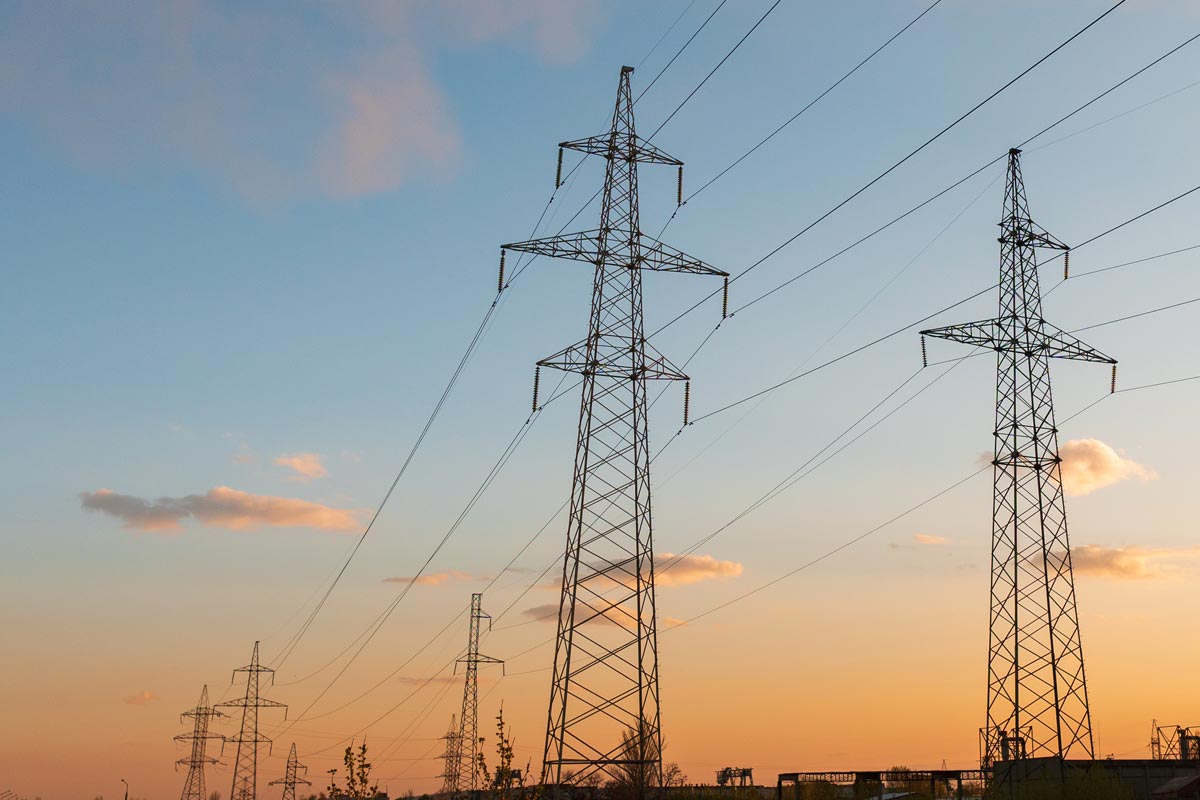
Heating and cooling can be among the largest energy uses in homes, often being around 52% of a home's total energy usage, so HVAC efficiency can frequently be a meaningful lever homeowners can influence.1
Many households across various regions have noticed higher electricity costs than just a few years ago. According to a February 2026 U.S. Energy Information Administration report, 42 states and the District of Columbia saw increased revenue per kilowatt-hour (kWh). The average national kWh increased 9% in February 2026 compared to February 2025.2 For the same time period, "The largest percent increase was in Virginia, up 26.3%, followed by Ohio, up 21.9%, and Pennsylvania, up 19.5%."2
Factors such as wholesale power costs and demand patterns could lead to even higher prices in the future.3,4,5
For homeowners, especially in climates where heating and cooling dominate energy use, this trend calls for a mindset shift: treat HVAC efficiency as a core financial decision, not just a comfort upgrade. Reducing HVAC electricity consumption during peak times may help lower utility bills and collectively ease stress on the power grid during extreme heat or cold waves.5,6
The goal is simple: reduce unnecessary HVAC electricity consumption to help control utility costs and peak demand, which can strain grid stability.5,6
Q: Why are electricity rates rising?
A: Electricity rates may rise due to rising electricity demand, higher wholesale power costs, and utility investments in grid reliability and infrastructure upgrades.2,3,5,6
The U.S. Energy Information Administration (EIA) reports that retail electricity prices have trended upward in some regions and wholesale power costs and demand conditions may contribute to upward pressure on prices over time.2,4 Separately, EIA notes that U.S. electricity consumption has begun to rise again after a long period of relatively little change.3
When demand increases, utilities may face higher system costs, which may be passed on to customers.2,5,6
Even if your household usage stays flat, you may still see higher electricity bills when prices per kilowatt-hour increase. Upgrading your HVAC system’s energy efficiency and reducing your home’s HVAC runtime may become more valuable each year.2,4
Q: How do electricity grid stress and extreme weather contribute to higher electricity costs?
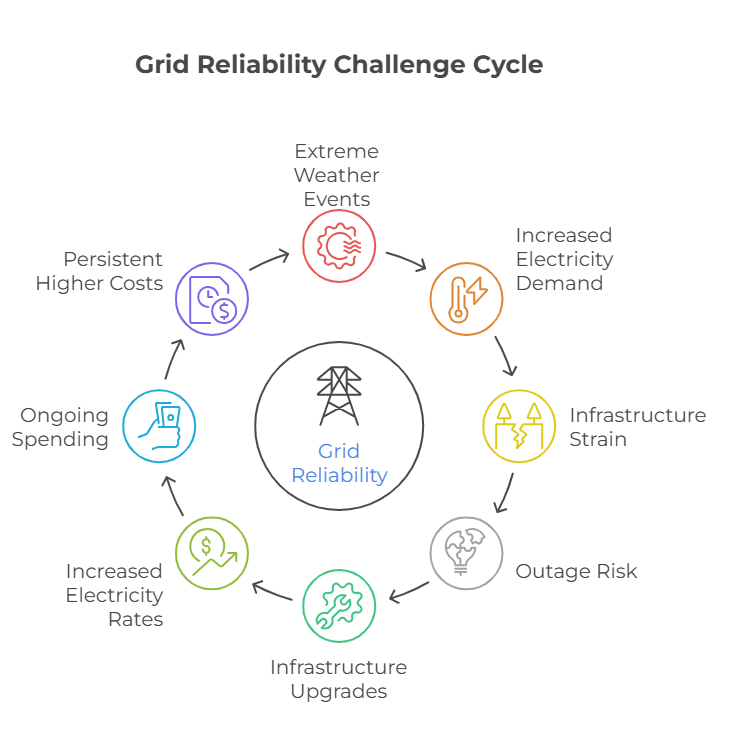
A: The U.S. Department of Energy (DOE) reports that grid reliability and security face challenges from factors such as extreme weather, aging infrastructure, and rising electricity demand.5,6
Much of the U.S. power grid was constructed decades ago. Certain sections were not engineered to handle today’s higher peak loads, especially during heat waves when air-conditioning demand increases.7
To help reduce outage risk and keep our electricity reliable, utilities invest in upgrading infrastructure, transmission systems, and capacity for periods of peak demand. While these improvements are essential, they can also lead to gradual increases in electricity rates over time.5,7
DOE has emphasized that sustaining reliability under modern conditions requires ongoing spending, including in regions adding new generation. Over time, reliability spending can become part of long-term rate structures—one reason higher electricity costs may persist rather than quickly reverse.5,6
Today, unpredictable weather conditions, like heat waves, further illustrate the problem. In affected regions, inefficient HVAC systems that consume more electricity to operate may cause grid demand to surge, leading to increased costs and a potential strain on transmission and distribution equipment.7,8
Over time, more frequent extreme weather events can increase costs by driving both short-term operational challenges and longer-term investments in resilience and reliability.5,8,13
Q: Why does HVAC electricity use matter for homeowners?
A: Heating and cooling are among the largest uses of electricity in most homes, so HVAC efficiency can significantly affect monthly electric bills, especially as electricity rates increase.1
When electricity prices rise, homes with inefficient HVAC systems may see higher monthly costs because the system must run longer to maintain indoor comfort.1
- Air conditioning impacts summer electricity use: During hot weather, air conditioners may operate for extended periods. Inefficient equipment, duct leaks, or poor insulation can increase run time, raising electricity consumption without improving comfort.9,10
- Heating affects winter electricity use: Inefficient heating equipment, electric resistance heating, improper sizing, or deferred maintenance may cause systems to run longer in cold weather, increasing electricity use to maintain the same indoor temperature.9,10
Because HVAC is a large portion of typical home energy use, even modest improvements in HVAC efficiency may help reduce total electricity consumption over time. That is why HVAC upgrades and improved controls can often be effective homeowner actions for reducing electricity consumption.1
Q: Is it better to use less electricity or shop for a cheaper rate?
A: Reducing electricity usage with a highly efficient heating and cooling system can deliver durable savings because efficiency gains last for the life of the equipment.12,13
Every kilowatt-hour of electricity you avoid using for heating and cooling is less cost on your electric bill.
- When electricity prices rise, it is tempting to focus only on the price per kilowatt-hour (shopping plans, credits, and short-term incentives). Those tactics may help, but they do not reduce the amount of energy your home needs. Long-term savings can come from reducing total kilowatt-hours, particularly the energy used for heating and cooling.
- If you're anticipating rising electricity costs, a two-way communicating heat pump with adaptive inverter technology can be a practical way to reduce long-term energy expenses. Inverter technology, such as that built into a Daikin FIT heat pump, helps maintain the set temperature without the typical energy spikes associated with ON/OFF cycles. Embracing this technology, high-efficiency equipment, and smart controls may help transform energy savings into sustained monthly utility savings.12,13
Q: Why are heat pumps often highlighted when electricity rates rise?
A: Heat pumps provide both heating and cooling by using electricity to transfer heat instead of generating it. Penn State-led research using EIA data found that this approach allows heat pumps to deliver more heat energy for a given amount of energy consumed than conventional heating systems, including gas furnaces, in many conditions and applications.12
Q: Is Energy Efficient Heating and Cooling a Solution to the Electricity Grid Strain?
Electricity costs may rise as demand grows, and the grid will require greater investment in reliability and resilience. For homeowners, improving HVAC efficiency is not only a comfort upgrade but also a practical way to reduce long-term electricity use and manage exposure to higher rates.2,3,4,5
- Electricity rates may continue to rise as demand grows and utilities invest in grid reliability, resilience, and infrastructure upgrades.
- Heating and cooling are among the largest electricity uses in most homes, which is why HVAC system efficiency can meaningfully influence monthly energy use and costs.
- Heat pumps with adaptive inverter technology provide both heating and cooling using electricity and are designed to operate efficiently across a range of outdoor conditions, which may help reduce total electricity use compared to less efficient systems in certain homes.
- Inefficient or improperly sized HVAC systems may increase electricity use without improving comfort.
- Reducing electricity use for heating and cooling can help manage household energy costs, especially when the price per kilowatt hour increases.
- Every kilowatt-hour of electricity you do not use for heating and cooling is a cost you do not pay.
- Improving HVAC efficiency and upgrading to high efficiency equipment, such as the two-way-communicating Daikin FIT heat pump with adaptive inverter technology, is a practical step homeowners can take to reduce long term electricity use.
- U.S. Energy Information Administration. “Use of Energy Explained.” December 18, 2023. https://www.eia.gov/energyexplained/use-of-energy/homes.php
- U.S. Energy Information Administration. Electricity Monthly Update, End Use: February 2026. https://www.eia.gov/electricity/monthly/update/end-use.php, April 23, 2026.
- U.S. Energy Information Administration. "Forecast Wholesale Power Prices and Retail Electricity Prices Rise Modestly in 2025." Today in Energy, Jan. 27, 2025. https://www.eia.gov/todayinenergy/detail.php?id=64384
- U.S. Energy Information Administration. "After More Than a Decade of Little Change, U.S. Electricity Consumption Is Rising Again." Today in Energy, May 13, 2025. https://www.eia.gov/todayinenergy/detail.php?id=65264
- U.S. Energy Information Administration. "Electric Power Monthly: Average Price of Electricity to Ultimate Customers." Jan. 26, 2026. https://www.eia.gov/electricity/monthly/epm_table_grapher.php?t=epmt_5_6_a
- U.S. Department of Energy. "Department of Energy Releases Report on Evaluating U.S. Grid Reliability and Security." July 7, 2025. https://www.energy.gov/sites/default/files/2025-07/DOE%20Final%20EO%20Report%20%28FINAL%20JULY%207%29.pdf
- U.S. Energy Information Administration. "Electricity Demand in the Eastern United States Surged from Heat Wave." Today in Energy, June 27, 2025. https://www.eia.gov/todayinenergy/detail.php?id=65604
- U.S. Department of Energy. "Reliability." 2025. https://www.energy.gov/topics/reliability
- U.S. Department of Energy. "HVAC, Water Heating, and Appliances R&D." March 26, 2018. https://www.energy.gov/eere/buildings/articles/hvac-water-heating-and-appliances-rd
- U.S. Department of Energy. "Electric Grids." 2025. https://www.energy.gov/topics/electric-grids
- U.S. Department of Energy, Office of Energy Efficiency and Renewable Energy. (2012). Energy-saving homes, buildings, & manufacturing (fact sheet). https://www1.eere.energy.gov/office_eere/pdfs/55297.pdf
- Tutella, Francisco. "Electric Space Heating, Appliances Reduce U.S. Residential Energy Consumption." Penn State University News, Sept. 29, 2025. https://www.psu.edu/news/research/story/electric-space-heating-appliances-reduce-us-residential-energy-consumption
- McKenna, Danielle. "AI Model Slashes HVAC Energy Costs While Predicting Them with Precision." Johns Hopkins Whiting School of Engineering, July 24, 2025. https://engineering.jhu.edu/news/ai-model-slashes-hvac-energy-costs-while-predicting-them-with-precision/
- U.S. Department of Energy. "Extreme Weather Resiliency." 2025. https://www.energy.gov/topics/extreme-weather-resiliency
- U.S. Department of Energy. "Electricity Demand Growth Resource Hub." 2025. https://www.energy.gov/policy/electricity-demand-growth-resource-hub
In this article
Connect on Social Media
 Follow on Facebook
 Follow on YouTube
 Follow on Instagram
 Follow on X
 Follow on TikTok
 Follow on Pinterest

Looking for help now?
Enter your zip code to search for Daikin Contractors in your area.
Learn More
Learning Center Content
Stay informed about home comfort technology, when to upgrade, energy efficiency, and reducing your energy bills.
Cold Climate Heat Pumps: Efficient Heating in Freezing Temps
3 Nov 2025
For homes in northern states or Canada, cold winters can raise questions about whether a heat pump can provide sufficient heating. A unit rated only for mild conditions may struggle or switch to backup electric heat in cold and icy conditions. Modern technology has addressed these concerns, and select cold-climate heat pumps are designed specifically for low-temperature locations.

Can Humidity Control Help You Stay Comfortable at Higher Thermostat Settings?
29 Jul 2026
Think your thermostat tells the whole comfort story? Humidity can change how warm or cool a home feels, and too much moisture in the air may make even moderate temperatures feel muggy or uncomfortable for some occupants.
How Inverter HVAC Systems Are Designed to Impact Your Energy Bills
8 Jul 2026
Understanding your home’s energy use can start with learning about your HVAC system’s efficiency and the technology behind it. Inverter technology offers an efficient way to heat and cool your home, helping to maximize your comfort while managing energy use. This article explains how inverter systems work and how they are designed to affect your monthly energy costs.
Rising Electricity Rates: How Smart HVAC Choices Can Help Homeowners
27 May 2026
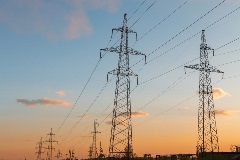
For homeowners concerned about rising electricity rates, heating and cooling efficiency is one of the most practical ways to manage long‑term energy costs, especially as the power grid faces increasing demand.
Air-to-Water Heat Pumps: The Water Home Comfort Solution Explained
17 Apr 2026
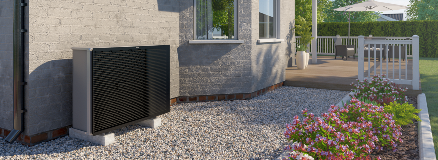
Considering replacing your fossil-fuel boiler with something new? Tired of maintaining a separate boiler, AC unit, and water heater? Air-to-water heat pumps are a modern, 3-in-1 answer to your total home comfort.